 EN

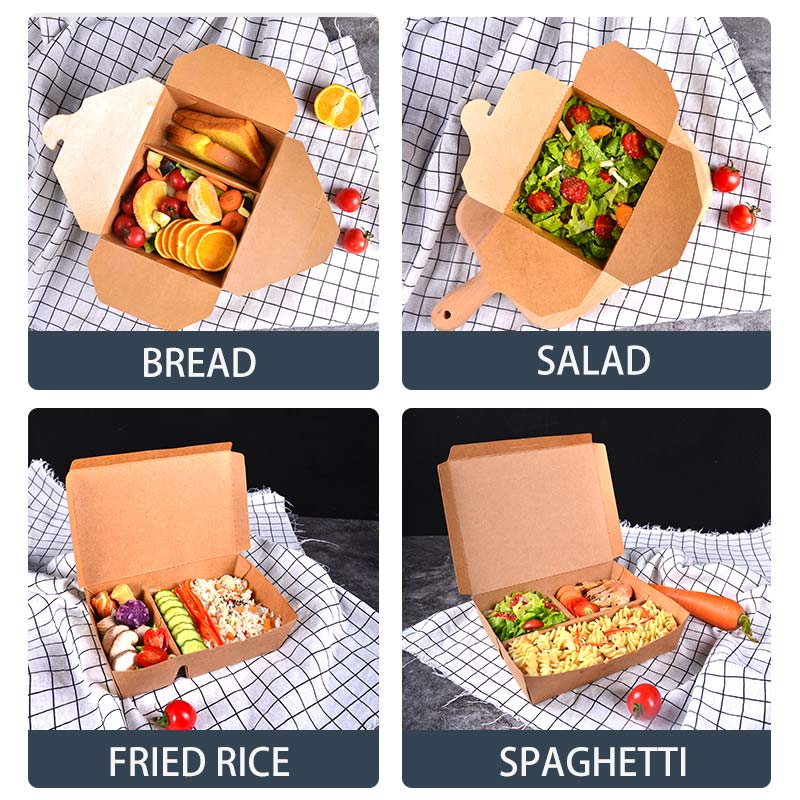
Delivery removes every advantage a restaurant normally controls: the plate, the lighting, the timing, the temperature. What arrives at the door is food inside a container, and that container is now doing the work the dining room used to do. Paper boxes became the default for takeaway because they handle the three things that decide whether the order is judged a success: they keep their shape, they let steam out, and they carry print.
The sections below look at where that performance is real, where it needs a specification to hold up, and what the format costs when everything is counted.
Structure: What Survives the Bag
Stack, Crush and Closure
A delivery bag is a compression test nobody planned. Boxes are stacked vertically, tilted on a scooter and pressed against a door frame, so the bottom unit carries the load for the whole trip. Paper boxes with a glued or pressed base and a lock-tab closure survive that; a folded tab that relies on friction does not.
Rigidity in paper boxes also protects presentation. A box that holds its shape keeps sauce where the kitchen put it, and keeping components apart is most of what a customer means when they say the food travelled well. Paper boxes that flex let the contents pool at one corner, which reads as careless even when the recipe was right.
Venting Beats Insulation
Paper is a mild insulator, not a thermos. Most of the heat a delivery retains comes from the bag and from a short dispatch window, not from the box wall. Where paper boxes genuinely outperform sealed plastic is ventilation: a small vent or a controlled lid gap lets steam escape, so fried and baked items keep their texture instead of steaming soft on the way.
That is why paper boxes are a poor fit for soup and a strong fit for anything crisp. Matching the format to the dish is a specification decision, and one box type rarely covers a whole menu without a compromise somewhere.
Food Contact and Compliance
Barrier, Coating and Hot Fill
Uncoated paper boxes absorb oil within minutes, so most foodservice formats carry a barrier. A grease-resistant liner keeps the base opaque and rigid; a water-based coating keeps the box compatible with organic waste but offers less hold; a plastic lining solves the leak and removes the composting option. The coating is therefore the decision that determines both performance and the disposal claim.
Hot, oily and acidic food is where cheap paper boxes fail first: the coating softens, the corner wicks, and the box goes soft from the base up. Testing with the real dish at service temperature is the only reliable check, because a dry sample proves nothing about a curry.
Documentation That Names the SKU
Food contact reports, migration testing and ink declarations should name the board, coating and ink used on the specific product, not the material family in general. A general paper certificate says nothing about a printed, coated paper box that will hold hot food.
Where a sustainability claim will be printed, certification needs to cover the finished construction and be recognised in the destination market. That paperwork is what allows a distributor to answer a chain buyer's quality team without a week of emails.
Brand and Formats
Print, Stickers and Small Runs
Paper takes four-colour print, hot stamping, embossing and spot UV, and it does so at short runs as well as long ones. For a delivery-first brand, the box is often the only physical brand surface the customer keeps, which makes the print budget easier to justify than a poster.
Smaller operators can start cheaper: a one-colour print, a branded sticker or a stamp on a stock paper box still makes the order identifiable, and it avoids a large setup commitment before volume is known.
Combination and Compartment Formats
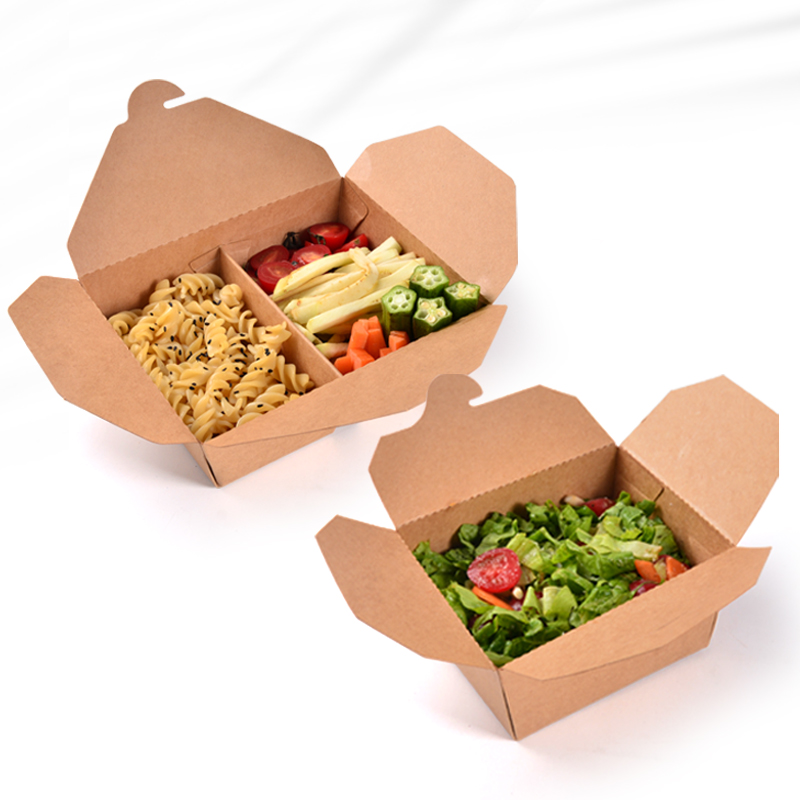
Multi-compartment paper boxes are the format that made set meals work in delivery. Rice, protein and sides travel in one container without mixing, which removes a second box, a second lid and the assembly step between them. For bento, meal-prep and healthy-eating menus, that is a material saving and a labour saving at the same time.
The trade-off is tooling. A compartment layout is fixed by its die, so the menu has to be designed around the format rather than adjusted later. Standardising on two or three layouts usually beats commissioning a bespoke die for each dish.
| Format | Best for | Watch out for |
|---|---|---|
| Vented kraft box | Fried and grilled items | Grease at the base without a liner |
| Combination box | Set meals and bento | Fixed die limits menu changes |
| Lined box | Saucy dishes | Plastic lining rules out composting |
| Flat-packed tray | Catering and sharing menus | Stack load on the bottom unit |
Cost and Kitchen Speed
Landed Cost, Storage and Freight
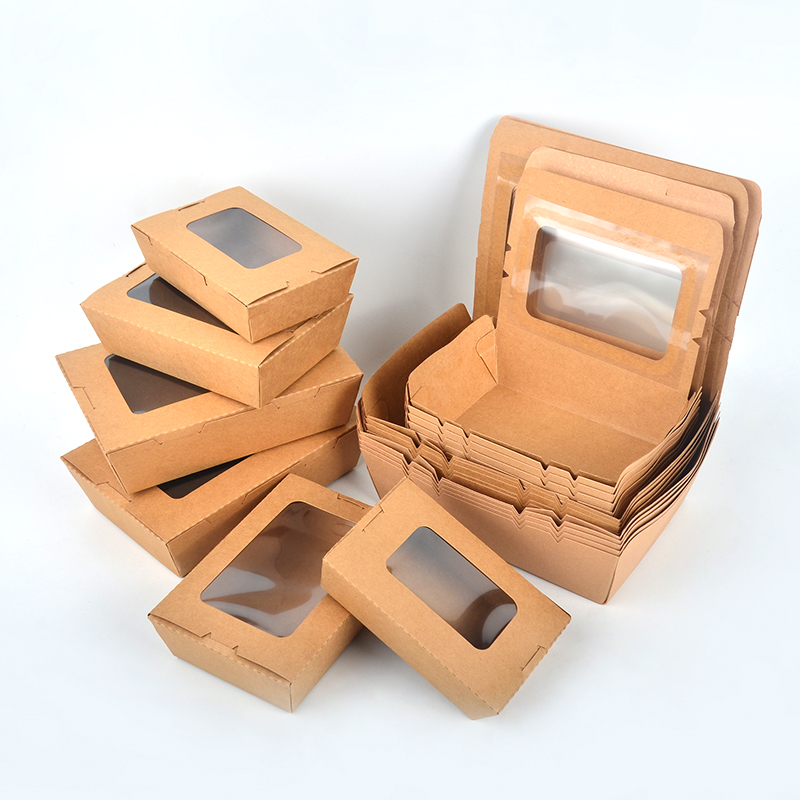
Paper boxes ship flat, so storage is cheap and a kitchen can hold a large stock in a small space. Freight is the variable that catches buyers out: carton dimensions decide how many units fit in a container, and a taller carton can cost more across a shipment than a discount on the unit price saves.
At volume, paper boxes sit close to plastic on piece price and often win on landed cost once remakes, storage and disposal are included. Print and tooling are charged per run rather than per unit, so branded paper boxes get cheaper as quantity grows.
Assembly Time and Training
Fold-lock construction in paper boxes means no tape, no heat and no tools. A pre-creased paper box assembles in one movement, which is why a new hire can be taught the packing sequence in an afternoon. During a peak, the seconds saved per order matter more than the cents saved per unit.
Standardising paper boxes on a few sizes produces muscle memory and reduces errors. A five-size range with identical fold logic is easier to train on than two sizes with different closures, and the difference shows up in how confidently a kitchen handles a rush.
FAQ
Are paper boxes suitable for all takeaway food?
For most dishes, yes. Very liquid items need a lining and a sealed base, and long holding times still favour a different format. Fried, grilled, baked and rice-based menus are where paper boxes perform best.
How do they hold up on longer deliveries?
Structure holds; temperature is the limit. Paper slows heat loss but does not stop it, so longer routes need an insulated bag and a realistic dispatch promise. Venting keeps texture, not temperature.
Can paper boxes be recycled after use?
Clean, dry paper boxes usually can. Food-soiled or plastic-lined boxes generally cannot, because grease and coatings contaminate the paper stream. The printed disposal message should match what local collectors actually accept.
What makes a combination box different?
Internal dividers keep components apart in one container, so a set meal needs one box instead of three. That reduces material, assembly time and the chance that sauce reaches the rice before the customer does.
Paper boxes are ideal for takeaway because they solve the delivery-specific problems rather than the dining-room ones: they hold shape under a stack, they vent steam, they print at any run size and they ship flat. Specify the barrier and the closure against the dish, and the rest follows.