 EN


A brand is judged on what a customer can see, and packaging is the part they hold. paper bowls support a sustainable image because the choice is visible and legible without any explanation — but the same visibility works in reverse when the claim printed on the bowl cannot be backed by a document or a local waste route.
This article covers what actually builds credibility, what quietly destroys it, and the operational choices that make the story hold up under scrutiny.
Why Paper Bowls Read as a Brand Statement
Visible, Not Claimed
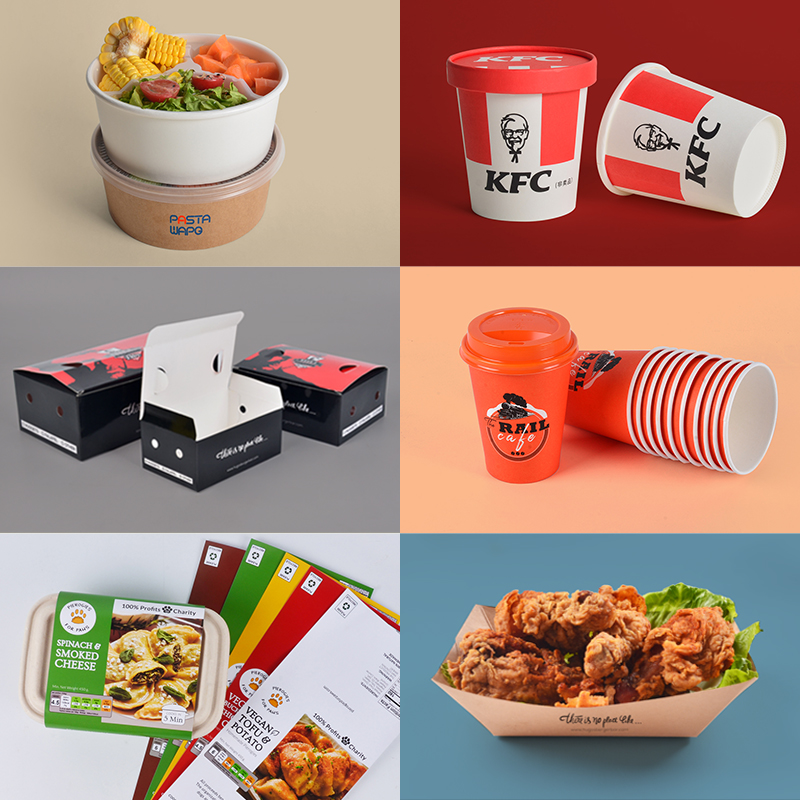
A customer cannot audit a supply chain over lunch, but they can see the bowl. That is why material choice communicates faster than any sustainability page: uncoated kraft, a restrained print and a paper lid read as intent, while a glossy plastic container with a green leaf reads as decoration.
The same logic explains why paper bowls outperform a poster. The bowl is handled, photographed and carried out of the shop, so the message travels with the customer rather than waiting on a wall.
The Credibility Ladder
Claims sit on a ladder, and each rung is harder to reach. At the bottom is a material description ("paper, not plastic"). Above it is a certification ("compostable to a named standard"). Above that is a working disposal route the customer can access. At the top is third-party verification of the whole chain, which almost no restaurant actually has.
Most brands using paper bowls should aim for the middle: an honest material statement plus one certificate that names the finished bowl. Claiming the top rung without the paperwork is how greenwashing accusations start.
Where Paper Bowls Win for Brand
Material Story Plus Print
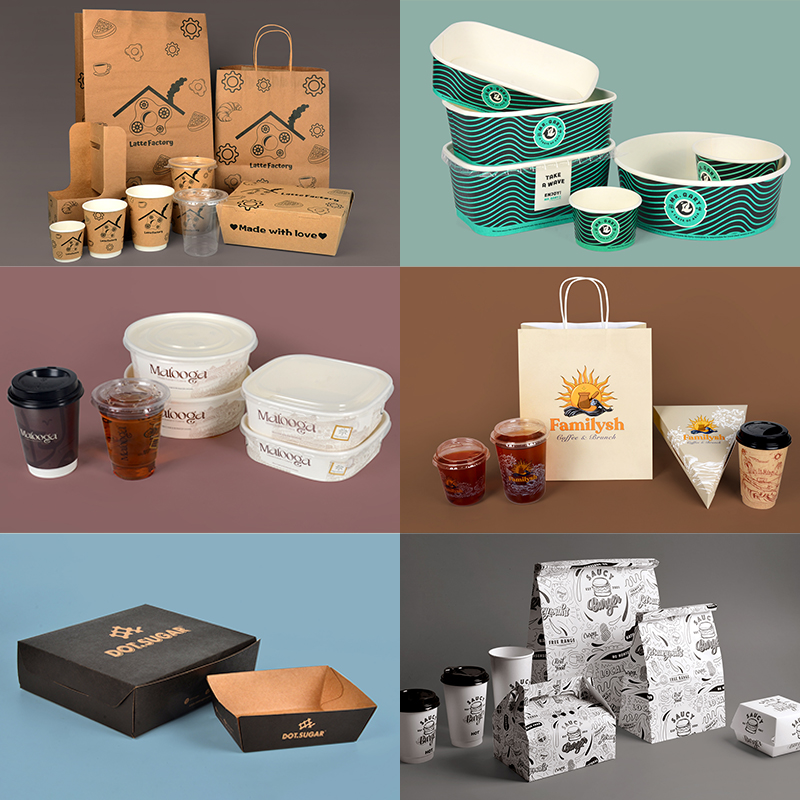
Paper bowls carry a simple, true story — renewable fibre, printable surface, lighter freight — and they carry it on a surface the customer keeps for the length of the meal. Four-colour print, hot stamping and spot UV all work on board, and one strong colour on kraft usually beats a full-bleed design fighting the substrate.
Print is charged per run rather than per bowl, so a branded bowl gets cheaper as volume rises, which matters for a brand that wants seasonal artwork without a new tool.
Photography and Shareability
Matte board photographs without glare, and a brown tone separates food from container better than white plastic. That is a small advantage per post and a large one across a year of customer-generated content — the cheapest media a food brand has.
The limit for paper bowls is performance. A bowl that goes soft under a curry produces a photograph nobody shares, so the specification comes before the art direction.
Where Paper Bowls Can Damage a Brand
Overclaiming
Two sentences on paper bowls cause most of the damage: "compostable" printed on a polyethylene-lined bowl, and "recyclable" printed on something that arrives at the bin covered in sauce. Both are easy to check and both are increasingly checked — by corporate clients, by platform audits, by customers who read the label and then look for a bin that does not exist.
The safer framing names the material and the route: "fibre bowl, lined with a water-based coating, compostable where industrial composting is available". It is longer and less exciting, and it survives scrutiny.
Inconsistency Across Touchpoints
A brand loses the environmental argument when the bowl is paper, the lid is polystyrene, the bag is plastic and the cutlery is wrapped in film. Consistency across the whole order is what a customer actually experiences, and it is also what a procurement auditor checks.
For paper bowls, that means buying the lid to the same specification, and training staff not to hand over a plastic spoon with a compostable container. Small mismatches read as carelessness rather than conspiracy, but they cost the same credibility.
Operational Reality Behind Paper Bowls
Cost, Storage and Staff
Paper bowls sit close to plastic on piece price at volume and win on storage and freight, because they nest and ship compactly. The savings are real but not dramatic; the brand benefit is what justifies the switch, and it only exists if staff can explain it in one sentence.
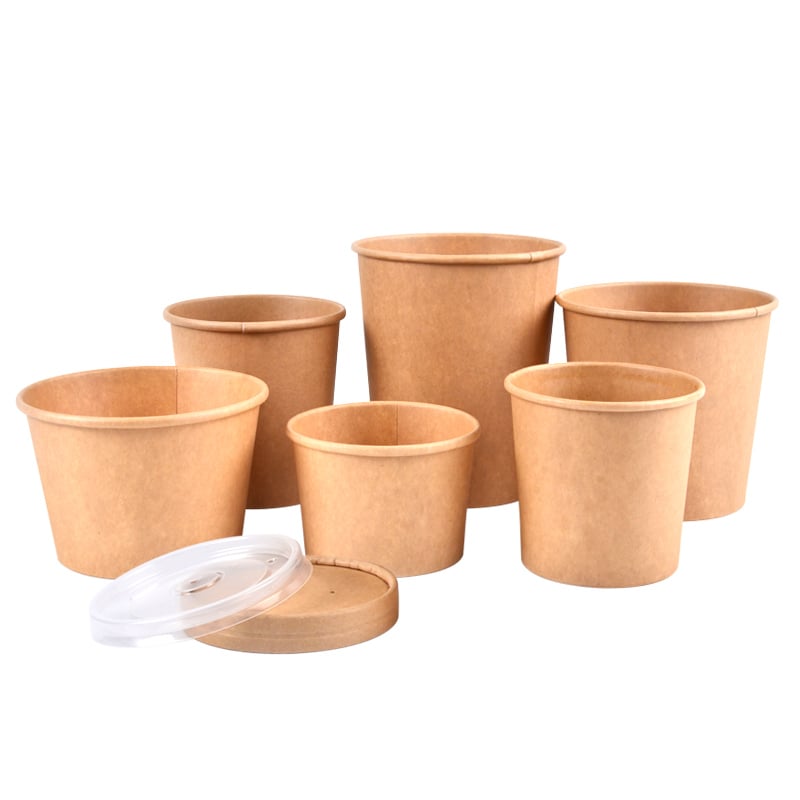
Storage of paper bowls matters more than buyers expect. Bowls are bulky, carton dimensions decide how many fit in a container, and a damp store softens the board before it is used. A bowl that has absorbed humidity fails in exactly the way that generates a review.
Documentation Behind the Claim
Ask for a food contact report naming the board, coating and ink; a fibre certificate naming the mill; and, if a compostability claim is printed, certification covering the finished bowl in that market. A supplier who can map each document to a SKU makes the brand's sustainability page defensible rather than decorative.
| Claim | Evidence needed | Risk if missing |
|---|---|---|
| Fibre from certified sources | Chain-of-custody certificate | Sourcing claim collapses at audit |
| Compostable | Certification naming the finished bowl | Greenwashing exposure |
| Recyclable | Local collection rule for coated board | Customer finds no bin for it |
| Plastic-free | Lid, liner and ink declared | Lid contradicts the bowl |
FAQ
How do paper bowls compare with plastic on cost and function?
Piece prices are often close at volume; the difference sits in freight and in the failure rate. Functionally they match plastic for a normal service window and lose to it on very wet, long-held dishes.
Do paper bowls meet food safety standards?
When the construction is documented for food contact and stored dry, yes. Ask for the report that names the board, coating and ink rather than a general compliance statement.
What should a brand check in a supplier?
Whether they can map certificates to the SKU, whether the lid matches the bowl, and whether they can hold allocation in the busiest month. Price is the fourth question.
How should a business communicate the switch?
Once, clearly, at the point of disposal, and consistently everywhere else. A short line on the bowl plus a matching bin instruction does more than a campaign page nobody reads.
Paper bowls support a sustainable brand image because they make an abstract promise visible in the customer's hand. The image holds only as long as the lining, the lid and the paperwork agree with the print — which is a specification problem, not a marketing one.