 EN

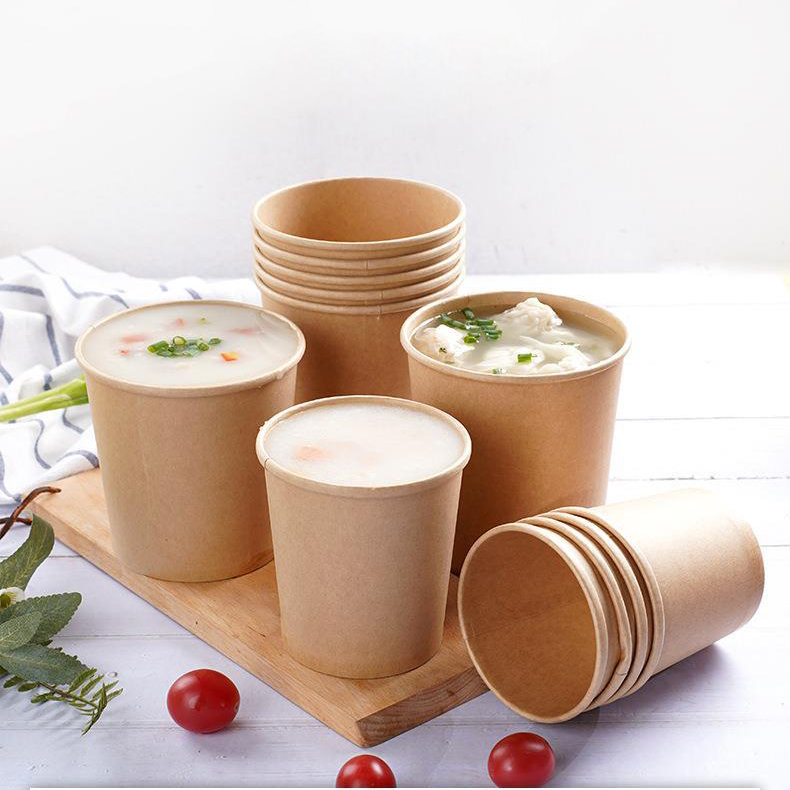
A bucket is the most photographed piece of packaging in fried chicken and popcorn service, and the least considered. It is held in one hand, balanced on a knee, passed between people and photographed before the first bite. That makes it one of the few packaging formats where the material, the print and the structure all register with the customer at the same time — which is why an eco paper bucket changes the experience more than its price suggests.
This article looks at what the format actually contributes: how it reads as a values signal, how it performs with hot and greasy food, and where the cost sits.

Why the Format Reads as a Values Signal
Sustainability the Customer Can See
Customers cannot audit a supply chain between ordering and eating, but they can see what the food arrives in. An eco paper bucket makes the material choice legible without a label: uncoated kraft, water-based print and a paper handle communicate intent faster than any claim printed on plastic.
That legibility is commercially useful because it survives the delivery journey. A bucket that looks considered in a photo, on a table and in a car seat carries the brand into places a plate never reaches.
Removing the Small Friction of Disposal
Plastic buckets leave the customer with a decision they did not ask for: which bin, and whether it will actually be recycled. A paper bucket removes most of that friction, provided the coating allows the route the customer has access to. The meal ends on a cleaner note, and that final impression is the one that shapes the review.
The claim has to be honest, though. A polyethylene-lined bucket is not compostable in a home system and is usually rejected by industrial composters that accept food waste, so the disposal message should match the specification rather than the ambition.
Presentation: What the Material Does for the Food
Kraft Texture and Photography
Paper has a matte surface, and matte surfaces do not throw the hard reflections that glossy plastic does under shop lighting or a phone flash. Fried food, in particular, photographs better against a warm kraft tone than against white or transparent plastic, because the contrast separates the food from the container.
The texture also reads as craft. An eco paper bucket with visible fibre and a clean single-colour print signals a kitchen that made a choice, which is a different message from a bucket that looks like it came from a cash-and-carry.
Print, Seasons and Collectability
Paper takes four-colour print, hot stamping, embossing and spot UV, and it does so at short runs. That makes seasonal editions practical: a limited bucket for a festival or a menu launch can be produced without a new mould, and the same structural family can carry a different design each quarter.
Collectability is the underrated part. Customers keep printed buckets, reuse them and photograph them, which extends the brand's presence beyond the meal without any media spend.
Function: What an Eco Paper Bucket Has to Survive
Venting, Barrier and Hot Fill
A bucket is a closed volume, so steam management decides whether fried food stays crisp. Small venting at the lid or a controlled gap lets moisture escape while keeping heat in; a fully sealed bucket turns crisp coating soft within minutes. A grease-resistant liner keeps the base rigid under an oily load, and a rolled rim prevents the edge wicking that causes most leaks.
Where the eco paper bucket is specified well, it handles hot, greasy food for a normal service window as well as plastic does, and presents better while doing it. Where it is specified badly — light board, thin coating, no vent — it fails quickly, and the failure is visible to the customer.
Grip, Weight and One-Handed Carry
Paper has more grip than smooth plastic, which matters when the customer is holding a drink in the other hand. A bucket that is light enough to carry and stiff enough not to buckle at the base removes the small anxieties that pull attention away from the food.
Shape does the rest. A tapered bucket nests for storage and stacks on the pass, and a rim wide enough to grip comfortably makes the format work for sharing menus, where several people reach into the same container.

Brand Positioning and Cost
Differentiation That Is Hard to Copy
Menus are copied within weeks; a packaging programme is not. A competitor can match a recipe but not the printed bucket, the seasonal artwork or the structural format, which makes packaging one of the few defensible parts of a food brand.
The positioning effect is strongest where the category is crowded. In fried chicken, popcorn and street food, the bucket is often the only branded surface the customer takes away, so the design carries more of the brand than the signage does.
Cost per Order, Storage and Supply
An eco paper bucket usually sits close to plastic on piece price at volume, and it wins on freight because it nests flat and weighs less. Storage is the quieter advantage: a carton of nested buckets occupies a fraction of the space that rigid containers need, which matters in a small kitchen.
Custom print adds setup per run rather than per unit, so the branded eco paper bucket gets cheaper as volume rises. For a chain running an eco paper bucket programme across several markets, print is also the cheapest way to localise: one structure, several artworks, no new tooling.
| Specification point | Why it decides the experience |
|---|---|
| Board weight and liner | Keeps the base rigid under a greasy load |
| Venting at the lid | Preserves crisp texture during delivery |
| Rim and seam construction | Prevents leaks at the point customers grip |
| Coating type | Determines whether the disposal claim is true |
FAQ
Is an eco paper bucket safe for hot, oily food?
Yes, when the board and liner are specified for it. Grease-resistant liners and food-grade inks keep the food-contact side controlled, and venting manages steam. Ask for a food contact report that names the exact construction and covers hot, oily use.
Does an eco paper bucket cost more than plastic?
The piece price is often close at volume, and paper usually saves on freight and storage because the buckets nest. Custom print adds setup per run, so the effective difference narrows as the order grows.
Will customers actually notice the switch?
They notice the bucket more than they notice most packaging, because they hold it and photograph it. The change registers as a signal of intent, especially when the print and the disposal message are consistent with the material.
Can an eco paper bucket replace every plastic container?
An eco paper bucket cannot replace every plastic container. Long holding times, heavy liquid loads and freezer storage still favour rigid plastic. The bucket format works best where the service window is short and the food is dry-to-greasy rather than wet.
An eco paper bucket does not change the food, but it changes what the customer holds, photographs and remembers. Specified properly — right board, vented lid, honest coating claim — it turns the last object in the meal into the first piece of brand evidence.