 EN


A café and a chain want different things from the same cup. The independent cares whether it feels right in the hand and costs the right amount at a few thousand units; the chain cares whether the cup behaves identically in forty sites and survives a procurement audit. Eco-friendly coffee cups only work for both when the specification answers the operational question first and the environmental one second.
This article covers the features that decide that: format, coating, lid, print and the supply behaviour behind them.
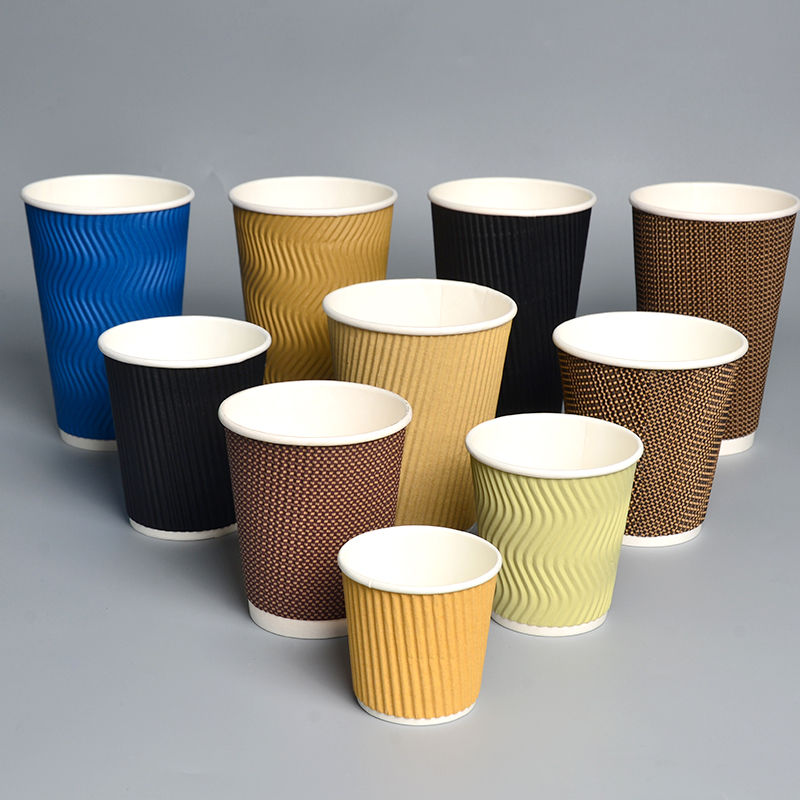
What Cafés and Chains Need From Eco-Friendly Coffee Cups
Two Buyers, Two Sets of Criteria
An independent café buys on feel and cash flow: a cup that does not scald, a lid that clicks on, a print run small enough to afford. A chain buys on consistency: the same rim diameter in every market, a documented specification, and a supplier who can hold allocation in December.
Eco-friendly coffee cups can satisfy both, but not with one specification. The café should optimise for hand-feel and print flexibility; the chain should optimise for repeatability and paperwork. Confusing the two is how a good cup becomes an operational problem.
The Service Window Decides Everything
Almost every feature question reduces to one: how long does the drink sit in the cup? A cup handed over the counter and drunk in ten minutes has different demands from one that travels twenty-five minutes in a bag. Barrier, wall format and lid all follow from that number, and a supplier who does not ask for it is guessing.
Format Choices for Eco-Friendly Coffee Cups
Single Wall, Double Wall or Ripple
Single-wall cups are the cheapest and print best, but they conduct heat, so a sleeve becomes part of the product. Double-wall cups add an air gap that keeps the outside cooler and holds temperature longer, at a higher unit cost and more carton volume. Ripple cups — the corrugated wrap bonded to the outside — give the best insulation of the three and a distinctive texture, but they take more space and print only on the exposed band.
For a café selling mostly quick takeaways, single wall plus a printed sleeve is often the better economic answer and gives two print surfaces. For drive-through and delivery, ripple or double wall removes the sleeve step at the pass, which is worth more than the unit saving when staff are busy.
Lids, Sleeves and Fit
The lid is where most eco-friendly coffee cups fail in practice. A rim diameter that differs by a fraction produces a lid that pops off when the bag tilts, and a lid made from a different material from the cup breaks the disposal story: a compostable cup with a polystyrene lid has not solved anything.
Approve eco-friendly coffee cups and their lids as one system, with the same supplier, and test filled and tilted. Sleeves then become a print decision rather than a structural one.
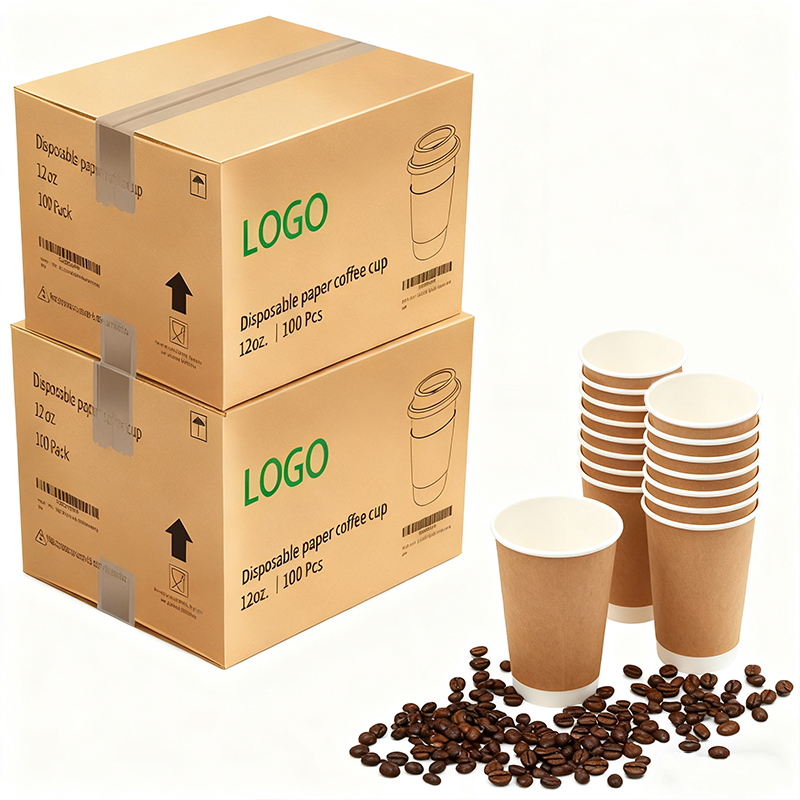
The Coating and the Claim Behind Eco-Friendly Coffee Cups
Aqueous, PE or PLA
Every eco-friendly coffee cup for hot drinks carries a barrier, and that barrier is the environmental decision. Polyethylene gives the strongest hold and rules out composting in most systems. Water-based coatings keep the cup compatible with organic waste where a facility accepts food-soiled packaging, but hold slightly less over long contact. PLA sits between the two and will not break down in a home heap.
Coverage control is the manufacturing discipline behind performance: too thin leaves pinholes that show as soft spots after twenty minutes, too thick creases at the seam and slows repulping. That is the difference a buyer cannot see and always feels.
What Certification Has to Say
Compostability certification is only useful if it names the finished cup and applies in the market where it will be sold. Chain buyers increasingly ask for that mapping, because a claim printed on a lid becomes a liability if the material certificate covers only the board.
Cost and Supply for Multi-site Operations
Cost per Cup, Not per Carton
At volume, eco-friendly coffee cups sit close to PE-lined cups on piece price, and freight often decides the rest. Cups ship nested, but carton dimensions still govern how many fit in a container; a taller carton can cost more across a shipment than a unit discount saves.
Print is charged per run rather than per cup, so a chain gets cheaper per unit as volume rises, and one larger order with several artworks is normally cheaper than several small orders.
Consistency Across Sites
A multi-site operation needs the same rim, the same wall and the same print position from every batch. That means a written specification with tolerances, batch marking on the carton and a named contact for escalations. Without them, a second supplier will deliver a cup that is nominally identical and functionally different.
Capacity is the other half of consistency. A factory with automated forming and a daily output in the hundreds of thousands of pieces can absorb a seasonal spike; a small converter cannot, and the shortfall arrives in the busiest month.
| Format | Best for | Watch out for |
|---|---|---|
| Single wall + sleeve | Counter service, low cost | Sleeve becomes a second item to stock |
| Double wall | Longer holds, no sleeve | More carton volume, higher unit cost |
| Ripple cup | Drive-through and delivery | Limited print area; bulky storage |
| Aqueous-lined cup | Brands with a waste route | Less grease hold; needs a matching lid |
FAQ
How do eco-friendly coffee cups compare in cost with standard cups?
The piece price gap is modest at volume and depends on the coating, wall format and print. Compare cost per cup at the same specification, then add freight and any producer responsibility fees.
Which certifications should a business ask for on eco-friendly coffee cups?
A food contact report naming the board, coating and ink, a fibre certificate for the paper, and — if a compostability claim is printed — certification covering the finished cup in that market.
Can they handle the same temperatures as conventional cups?
For normal service, yes, with a barrier rated for hot fill and a rim that does not deform when the lid is pressed on. Extreme holding times remain the weak point, not the drink temperature.
How should a café explain disposal to customers?
One instruction, at the bin, matching the local route. A cup printed "compostable" in a city with no commercial composting does more damage to trust than a plain cup with no claim.
Eco-friendly coffee cups suit cafés and chains when the format matches the service window and the lining matches the waste route. Everything else — the ripple, the print, the sleeve — is a preference on top of those two decisions.