 EN

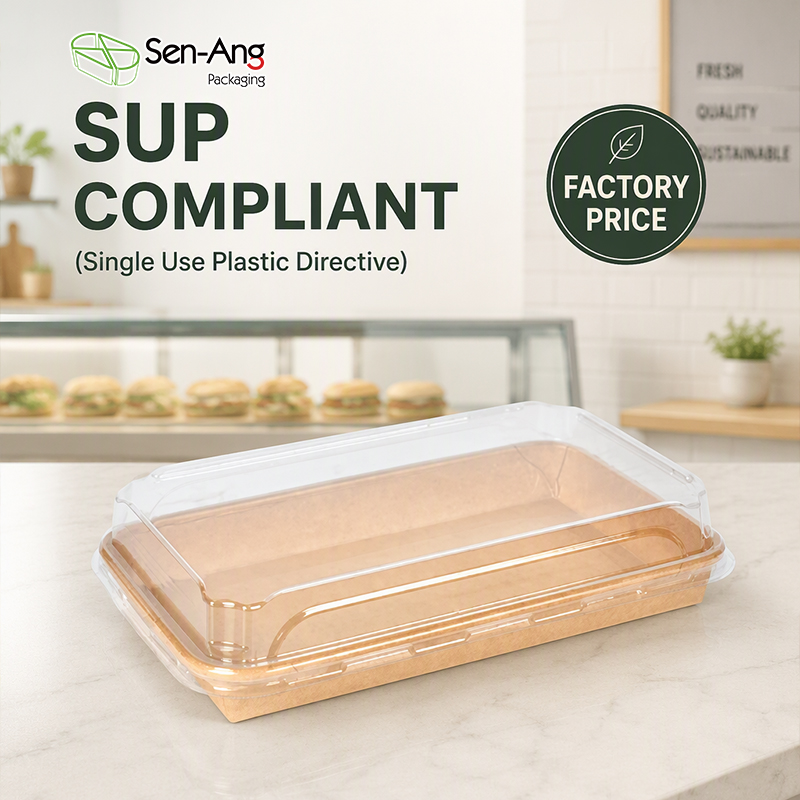
A customer judges the food before tasting it. Paper trays decide what that first judgement looks like: whether a portion reads as generous or mean, whether sauce runs into the fries, whether the meal survives a ten-minute walk. For operators competing on speed and consistency, the tray is the last thing a customer sees before eating and the first thing they photograph.
This guide covers the parts of the experience a tray actually controls — colour and contrast, structure, portion control, heat and grease, handling — and the operating cost behind each one.
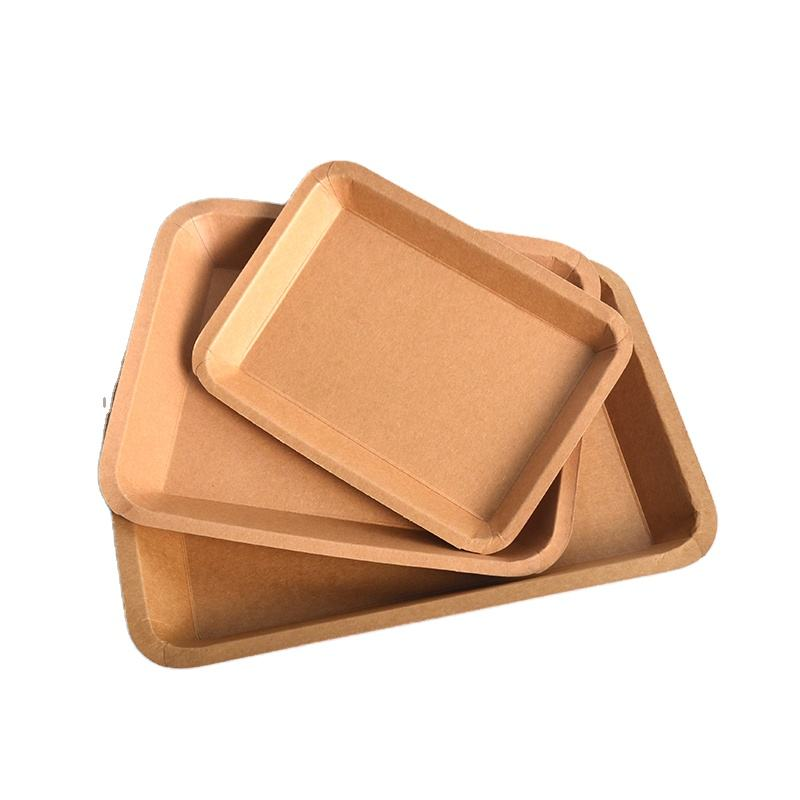
Why Paper Trays Decide the Order
Colour, Contrast and Brand Consistency
The base colour of a tray changes how the food on it reads. White lifts char marks, herbs and bright sauces, and suits salads, sushi and lighter plates. Natural kraft warms golden, fried and grilled items, but it flattens dark sauces and low-contrast garnishes. Selecting paper trays in the right board colour is a design decision with a measurable effect on appetite appeal, not a cosmetic one.
Brand consistency works the same way. Paper trays that carry the same palette, typeface and logo position as the menu board and the carrier bag make the whole order feel like one product. That coherence is cheap to achieve in print and hard for a competitor to copy quickly.
Texture, Structure and Shelf Presence
Structure reads as quality before anyone touches the food. A tray that flexes when lifted, or whose rim crumples under a loaded portion, signals a cheap operation regardless of what is inside. Board weight, a rolled or fluted rim, and a base that stays flat under sauce are the details that hold the shape in the pass and on the table.
Texture adds the second layer. Uncoated board looks honest and matte, coated board looks clean and modern, and a light emboss or spot varnish gives a printed logo depth without changing the material. Paper trays can carry all three at a print cost that is decided once, not per order.
Function: Portion, Heat and Grease
Portion Control and Visual Hierarchy
A tray sets boundaries, and boundaries control perception. A single large well makes a portion look smaller; two or three defined compartments make the same weight of food look complete. Multi-compartment paper trays also stop sauce migrating into fried items, which is the most common complaint in takeaway meals.
They standardise service as well. When staff fill to a moulded line rather than by eye, portion cost stops drifting between shifts, and customers get the same plate on a quiet Tuesday and a busy Friday.
Temperature, Grease and Food Safety
Heat and grease are where paper trays either hold up or fail. A grease-resistant barrier keeps the base opaque and rigid under a heavy, oily portion; a coating that resists moisture stops the tray going soft under steam. For hot, covered service, venting matters as much as insulation: a sealed tray traps steam and turns crisp food soft within minutes.
Single-use construction removes the cross-contamination risk that comes with under-washed reusable service ware, and food-grade board with documented compliance makes the hygiene conversation with a buyer or an inspector straightforward.
| Problem at the table | Usual cause | Fix in the specification |
|---|---|---|
| Tray goes soft | Light board, no moisture barrier | Heavier board, double-sided coating |
| Grease marks through the base | Uncoated liner, high fat load | Grease-resistant barrier, tested fill weight |
| Soggy fried items | Trapped steam, closed lid | Vent path, raised base ribs |
| Sauce leaks at the seam | Folded seam without glue | Glued seam, tested tilt |
Convenience, Sustainability and Cost
Carrying and Serving
Customers carry food one-handed, in a bag, in a car, up a flight of stairs. A tray with a stable base, a rim that gives a grip and a shape that stacks without sliding solves most of that. Paper trays sized to the actual menu item also travel better than a generic size with spare room, where food shifts and sauce pools at one end.
Material Claims That Survive Scrutiny
Buyers now ask what the tray is made of before they ask the price. Paper trays made from recycled and responsibly sourced board, water-based coatings and bagasse formats let an operator make an environmental claim that can be documented. The test is whether the greener specification still holds a hot, oily portion for the same time — a compostable tray that leaks is not a sustainability gain.
Labour, Storage and the Real Unit Cost
Comparing paper trays with reusable dishes on unit price alone is misleading. Reusable ware carries washing, drying, storage, breakage and staff time; paper trays carry purchase and disposal. Flat-packed trays also use warehouse space efficiently, and a factory with automated forming and a daily output in the hundreds of thousands of pieces can absorb seasonal peaks without pushing lead time. Custom work is faster than most buyers assume: printed paper trays can ship in as little as three days when the specification and artwork are approved early.
FAQ
How do paper trays improve presentation compared with loose or basic containers?
They frame the food. A defined well, a flat base and a clean rim make a portion look composed instead of scooped, and compartment layouts separate wet and crisp items. Colour choice then decides contrast, so sauces and garnishes stand out rather than disappearing into the board.
Do paper trays affect customer satisfaction and repeat orders?
They affect the parts customers complain about: leaks, sogginess, crushed corners and inconsistent portions. Fix those and reviews improve for reasons that have nothing to do with the recipe. Paper trays that hold their shape in transit also keep the presentation intact until the food is actually opened.
Are paper trays cost-effective next to reusable serving ware?
Usually, once labour is counted. Paper trays remove washing, drying, breakage and the storage space reusable ware occupies. The comparison should include staff time, utilities and replacement rates, not just the invoice price of each item.
How do paper trays support food safety requirements?
Each tray reaches the customer unused, so there is no shared surface and no washing failure to audit. Food-grade board with a documented barrier and compliant ink keeps the food-contact side controlled, which is the part inspectors and B2B buyers ask about first.
Presentation is the cheapest quality signal a kitchen controls. Paper trays carry it from the pass to the table, and the operators who specify them deliberately — correct board, correct barrier, correct print — get a consistent plate and a brand that looks the same every time.