 EN


The fast-food industry has witnessed a remarkable shift toward sustainable packaging, with paper buckets emerging as a preferred choice for major chains and local establishments alike. This transformation reflects changing consumer expectations, environmental regulations and the industry's commitment to reducing its ecological footprint while keeping operations efficient and brands appealing.
The growing popularity of paper buckets in fast-food operations stems from several converging factors. From stronger sustainability credentials to better functionality and cost-effectiveness, paper buckets have proven their value across diverse food service applications and changed how restaurants approach packaging.
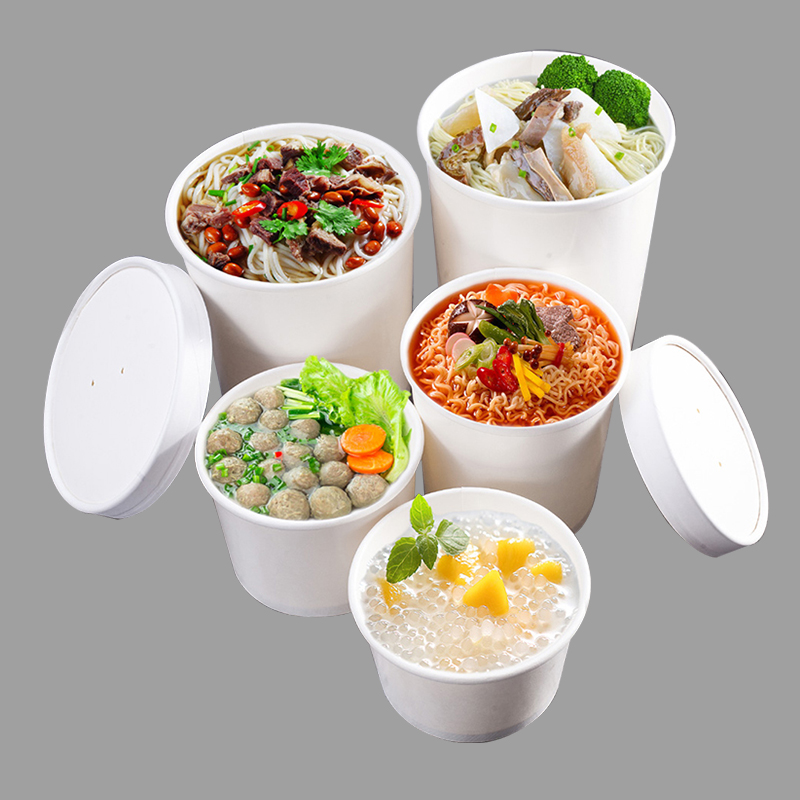
Environmental Sustainability Driving Market Adoption
Consumer Demand for Eco-Friendly Packaging
Modern consumers increasingly prioritize environmental responsibility when making purchases, which puts pressure on fast-food chains to adopt sustainable packaging. Paper buckets address these expectations while keeping the functionality food service requires, and surveys regularly show that many shoppers are willing to pay more for products in environmentally friendly materials.
Unlike traditional plastic containers, paper buckets offer biodegradable and recyclable properties that resonate with environmentally conscious customers. Their natural look also communicates a brand's commitment to environmental stewardship, so paper buckets build positive associations that reach beyond the meal and into long-term loyalty.
Regulatory Compliance and Industry Standards
Government rules on single-use plastics have accelerated the adoption of paper buckets. Many jurisdictions have introduced bans or restrictions on plastic food containers, forcing restaurants to find compliant alternatives, and paper buckets satisfy these demands without sacrificing operational needs.
Industry guidelines for sustainable packaging have also evolved quickly, encouraging renewable materials. By choosing paper buckets early, chains stay ahead of regulatory change, avoid costly rushed transitions and show corporate responsibility to customers and stakeholders.
Operational Benefits and Cost Efficiency of Paper Buckets
Supply Chain Advantages
The raw materials for paper buckets come from renewable fiber sources and are widely available, which gives greater supply security than petroleum-based plastic that suffers from volatile pricing. As demand has grown, manufacturing capacity for paper buckets has expanded, so chains can source from multiple suppliers, reduce dependency risk and negotiate better terms.
Paper buckets are also lightweight, which lowers transportation costs and warehouse space requirements. These savings help offset any premium for sustainable materials and make paper buckets an economically viable choice for fast-food operators.
Versatility and Customization Options
Paper buckets can be customized for specific menu items and brand requirements. Modern printing technology allows high-quality graphics, logos and promotional messages directly on paper buckets, turning packaging into a marketing channel.
Sizes, shapes and functional features such as grease resistance, moisture barriers and temperature tolerance can be tailored to different foods. Leak-proof coatings and stackable designs further improve efficiency, making paper buckets increasingly competitive with traditional alternatives.
Food Safety and Quality Preservation
Protective Properties and Food Integrity
Paper buckets are engineered to protect fast-food items throughout service. Barrier coatings give paper buckets effective moisture and grease resistance, which prevents leaks and maintains food integrity during storage and transport.
Paper also offers advantages for fried foods. Its structure allows some airflow, which helps preserve crispness, so paper buckets are especially popular for fried chicken, popcorn chicken and other crispy items. Heat-tolerant paper buckets keep hot food at serving temperature while remaining comfortable to hold.
Hygiene and Safety Standards
Food-grade paper buckets must meet strict hygiene and safety requirements set by health authorities and industry bodies, including food-contact compliance such as FDA requirements in relevant markets. Quality control during manufacturing reduces contamination risks. Because paper buckets are single-use, they also remove the cross-contamination concerns of reusable containers and fit easily into health department protocols.
Brand Enhancement and Marketing Value of Paper Buckets
Visual Appeal and Brand Communication
Paper buckets are powerful branding tools. The large printable surface carries logos, promotions and design elements that reinforce brand identity and create memorable experiences. Their natural, eco-friendly appearance matches design trends that value authenticity, and custom printing lets chains run seasonal promotions and limited-time offers on paper buckets while keeping a consistent environmental message.
Social Media and Digital Marketing Integration
Well-designed paper buckets are highly photogenic, which encourages customers to share their meals online and create user-generated content that amplifies brand reach. The sustainability story behind paper buckets also gives marketing teams credible material for campaigns about corporate responsibility. QR codes printed on paper buckets can link packaging to loyalty programs and promotions, adding interactive value.
Industry Adoption Trends and Future Outlook
Market Growth and Investment Patterns
Major fast-food chains have invested significantly in moving to sustainable packaging, and paper buckets have become a common part of that shift. Better product performance, more customization options and competitive pricing create a positive cycle that encourages wider adoption. Long-term partnerships between chains and manufacturers also secure dedicated production and reliable supply of paper buckets.
Technology Advancement and Product Innovation
Ongoing research continues to expand what paper buckets can do. Advances in barrier coatings, structural design and manufacturing improve performance while keeping environmental advantages, and circular economy principles guide work on recyclability and compostability. These developments ensure that paper buckets keep meeting new sustainability requirements and fast-food performance needs.
Conclusion
Paper buckets are becoming popular in the fast-food industry because they combine sustainability, regulatory compliance, food protection and brand value in one practical package. For tailored sizes, coatings and printing, SenangPak offers OEM and ODM services for eco-friendly paper packaging, so operators can find paper buckets that suit their menu and brand.
FAQ
Are paper buckets as durable as plastic containers for fast-food applications?
Modern paper buckets use barrier coatings and sturdy structures that provide durability comparable to plastic for most fast-food uses. The key is choosing paper buckets with specifications that match the food type and service requirements.
How do paper buckets impact costs for fast-food operators?
Paper buckets may cost slightly more per unit than basic plastic containers, but supply chain efficiency, marketing value and regulatory compliance often make the total cost competitive.
What food safety considerations apply to paper buckets?
Paper buckets must be made from food-grade materials and meet food-contact rules in the target market, such as FDA requirements. Proper storage and handling keep paper buckets clean until use.
Can paper buckets be customized for specific branding and marketing needs?
Yes. Paper buckets support full-color printing, embossing, special coatings and custom sizes, so brands can create distinctive designs and seasonal editions.