 EN

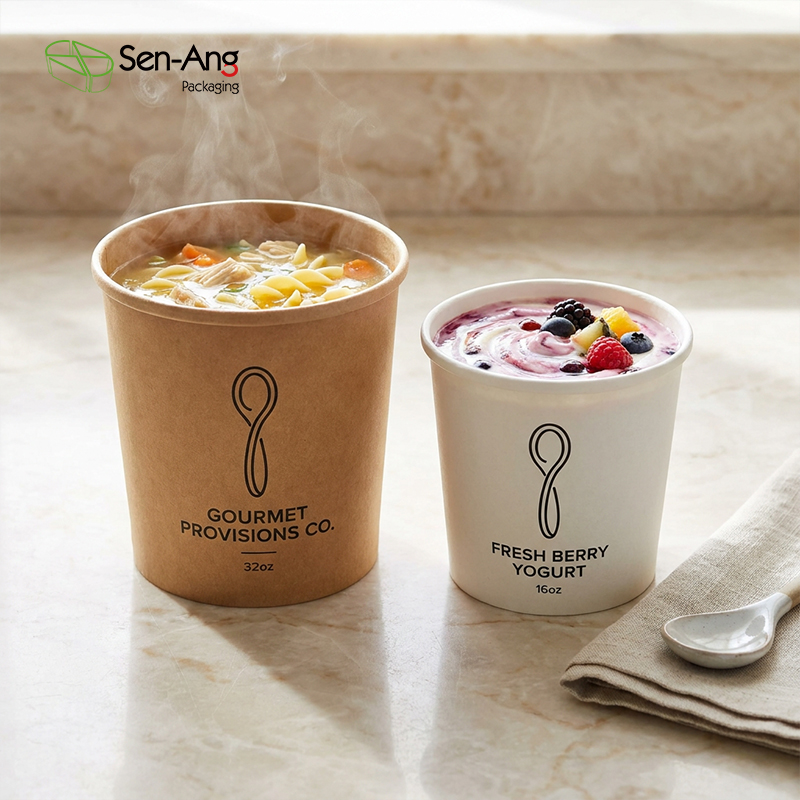
Paper buckets have changed food packaging across many industries, offering sustainable solutions that meet both environmental regulations and consumer preferences. These versatile containers combine functionality with eco-friendliness, making paper buckets a strong choice for businesses seeking packaging that supports sustainability goals while keeping food safe.
Finding the best applications for paper buckets means looking at industry needs, product characteristics and operational requirements. From quick-service restaurants to specialty food retailers, paper buckets serve diverse roles while addressing waste reduction, brand presentation and food protection throughout the distribution chain.
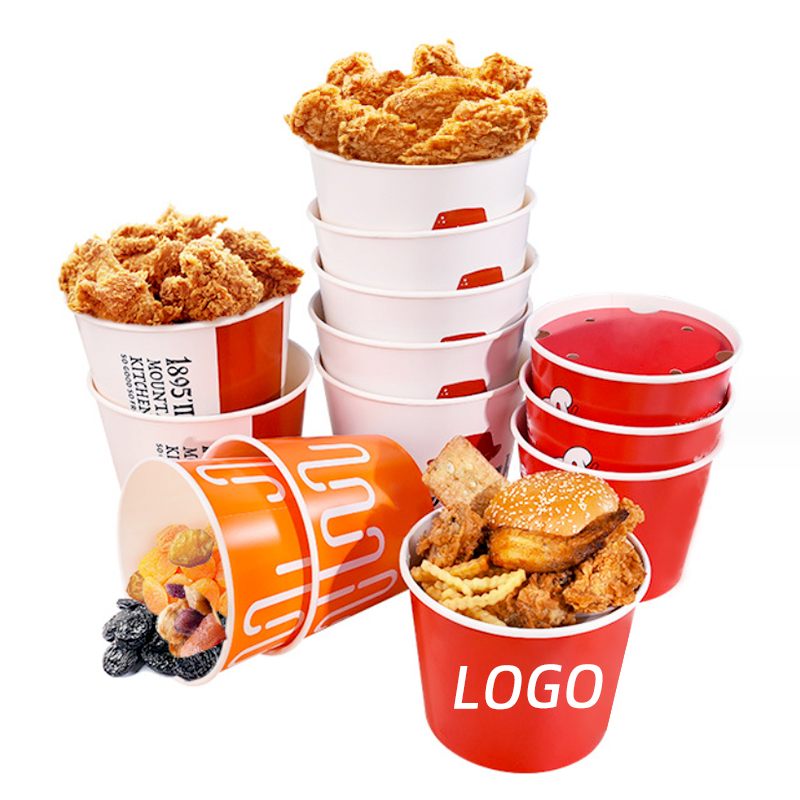
Fast Food and Quick Service Restaurant Applications
Fried Food Containers
Paper buckets excel in quick-service kitchens where fried foods need containers that handle heat and oil. Chicken pieces, french fries and other fried items benefit from the grease-resistant coating commonly applied to food-grade paper buckets, which keep their shape even when exposed to steam from freshly cooked food.
Paper also lets some moisture escape, which helps prevent the condensation that makes fried food soggy. This makes paper buckets especially useful for drive-through and delivery orders, where food may sit in the container for a while. Chains also like that paper buckets can carry brand logos and promotions, turning each order into mobile advertising.
Snack Food Service
Popcorn, nuts and crackers stay crisp in paper buckets because the breathable material avoids the staleness that can build up in fully sealed plastic. Standardized paper buckets also make portion control easier, helping restaurants manage costs and serve consistently.
Movie theaters and entertainment venues value paper buckets for their light weight and stackable shape, which saves storage space in concession areas and keeps shipping costs down.
Retail and Specialty Food Markets
Bulk Food Display and Sale
Grocery stores and specialty markets use paper buckets to display dried fruit, nuts, granola and candy, especially items sold by weight. The wide opening allows easy customer access and scooping while protecting products from contamination. Paper buckets are also simple to label with prices and product details, and seasonal designs help retailers match displays to promotions without large inventory investment.
Prepared Food Take-Away Services
Deli counters can use paper buckets for salads, pasta dishes and grain bowls, with fitted lids for secure closure. Paper buckets suit foods served at room temperature or slightly warm, and they offer a more sustainable option than foam. Their stackable shape also supports efficient refrigeration and display, so staff can pre-fill paper buckets during quiet periods and serve quickly at peak times.
Event Catering and Food Service
Large Volume Food Distribution
Caterers use paper buckets at outdoor events, corporate functions and festivals because they hold generous portions yet stay light for staff and guests. Being disposable, paper buckets remove the need for washing, which reduces labor and water use at temporary venues. Their material also helps balance moisture during long buffet service, so food stays appealing and safe.
Specialized Event Applications
Theme parks, fairs and sports venues use paper buckets for signature snacks that become part of the experience, and custom printing can even turn paper buckets into keepsakes. At corporate events, branded paper buckets filled with snacks look professional and show environmental responsibility to clients. Wedding and social event planners also choose paper buckets for candy bars, favors and interactive food stations, because the designs can match any theme.
Specialty Food and Artisan Applications
Gourmet and Premium Food Products
Artisan producers use paper buckets to present specialty popcorn, handcrafted snacks and gourmet nuts. The natural look of paper suggests quality and authenticity that suits premium brands. At farmers' markets and craft food stalls, paper buckets protect products while allowing hand-applied labels, stamps or ribbons, and they work well as gift packaging for edible presents.
Seasonal and Holiday Food Packaging
Holiday-themed paper buckets suit everything from Halloween candy to Christmas cookies, since the material accepts seasonal prints and color schemes. Seasonal markets use paper buckets for roasted nuts, kettle corn and snack mixes, and school fundraisers or community events rely on paper buckets for affordable individual and family-size portions.
Food Processing and Institutional Applications
Food Manufacturing and Distribution
Food processors use paper buckets for bulk distribution to retail customers, supporting the sustainable packaging goals many large retailers now expect. Co-packers favor paper buckets for private label work, since different brand designs can be printed on separate runs. Distribution centers also value how paper buckets stack neatly, which saves warehouse space and supports efficient picking and packing.
Food Service Supply Applications
Schools, hospitals and corporate cafeterias use paper buckets for portion-controlled serving and take-away meals. The containers help meet health department requirements and support nutrition programs through consistent portion sizes, while disposal is simple where washing facilities are limited.
Conclusion
The best applications for paper buckets include fried food service, snacks, retail bulk displays, catering, artisan products and institutional meals. In each case, paper buckets combine food protection, branding value and sustainability. SenangPak offers OEM and ODM services for eco-friendly paper packaging, so buyers can request sizes, coatings and printing that fit their food and brand.
FAQ
Are paper buckets suitable for hot foods?
Paper buckets made for food service usually have heat-resistant, grease-resistant coatings that allow them to hold hot foods. Very hot or very oily items may need a specialized design, so confirm the specifications with your supplier.
How do paper buckets compare to plastic containers for food safety?
Food-grade paper buckets can meet food-contact requirements such as FDA standards when properly made and coated. Their main difference is a lower environmental impact, though some products needing a complete moisture barrier may call for different materials.
Can paper buckets be recycled after food use?
It depends on the coating and on local facilities. Paper buckets without plastic linings are generally easier to recycle, while coated paper buckets may need specialized processes. Some regions accept compostable paper buckets in food waste programs.
What sizes are most commonly used in commercial food applications?
Sizes vary by food type and menu. Individual servings use smaller paper buckets, while sharing portions use larger ones. Suppliers such as SenangPak can customize paper buckets to the volume your product needs.