 EN

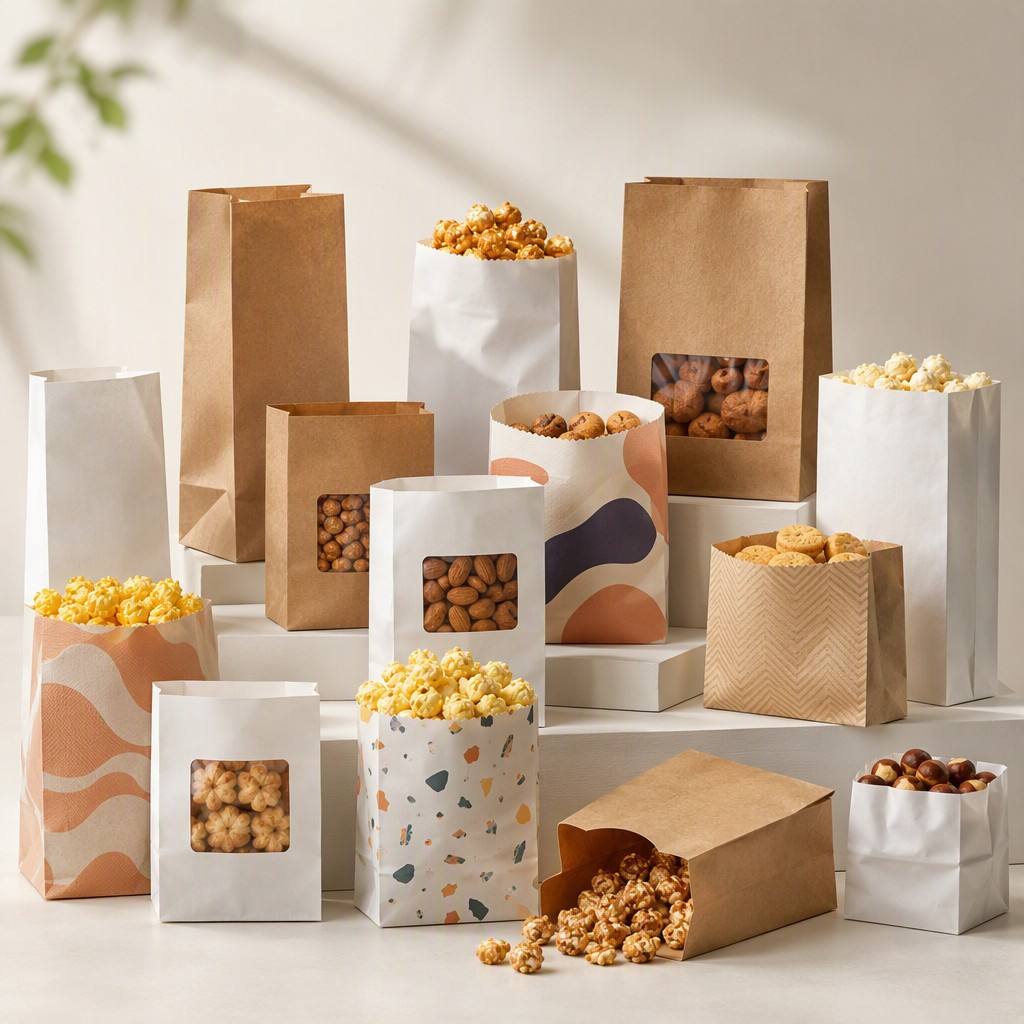
The food packaging industry is shifting toward sustainable solutions, with paper snack bags emerging as a compelling alternative to traditional plastic packaging. This change is driven by growing consumer awareness of environmental issues and regulations that favor eco-friendly materials. Paper snack bags combine functionality, sustainability and cost-effectiveness, which makes them increasingly attractive to food businesses.
Choosing paper snack bags involves more than environmental benefits. Food service providers, retailers and manufacturers must weigh product protection, brand presentation, regulatory compliance and long-term cost. Understanding these advantages helps businesses make informed decisions about paper snack bags while protecting product quality and customer satisfaction.
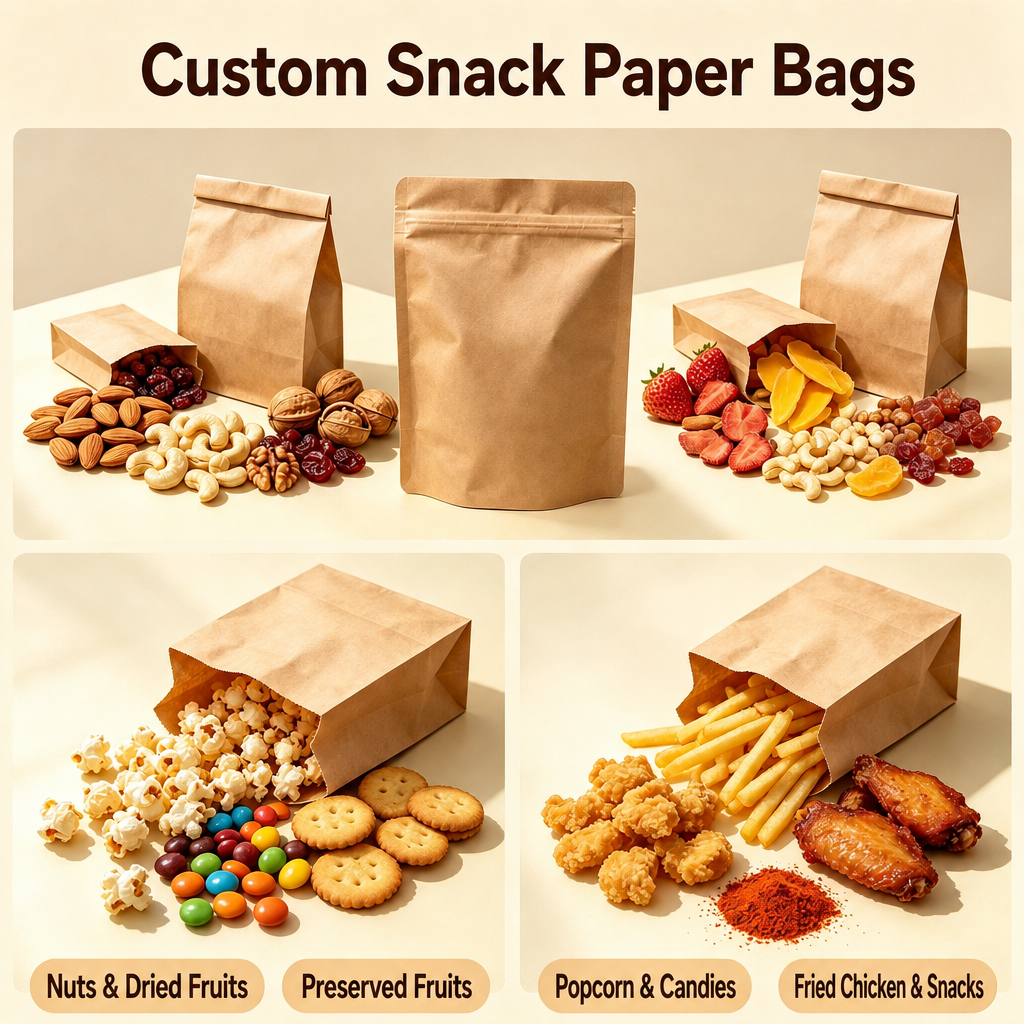
Environmental Sustainability of Paper Snack Bags
Biodegradability and Waste Reduction
Paper snack bags perform well environmentally because they are made from natural fiber that breaks down far faster than plastic, which can persist in landfills for hundreds of years. This reduces long-term waste accumulation and supports the circular economy goals many businesses have adopted. Paper snack bags can also be recycled in existing paper recycling systems, and certified compostable versions can be composted where facilities exist, turning packaging waste into organic matter.
Production relies on renewable wood fiber, and many manufacturers now source from certified forests that are responsibly managed. This renewable foundation contrasts with petroleum-based plastic, which depends on finite fossil fuels.
Carbon Footprint and Energy Efficiency
Paper mills increasingly use energy-efficient technology and biomass energy from wood processing byproducts, which lowers the carbon intensity of paper snack bags. Transportation also favors paper. Paper snack bags are light and can be shipped in compact bundles, which cuts shipping volume, fuel use and emissions, a gain that grows with order size.
Functional Performance and Product Protection
Moisture and Grease Resistance
Modern paper snack bags use food-grade barrier coatings and specialized paper treatments that resist moisture and grease. This lets them hold oily or moist products such as nuts, chips, pastries and fried snacks without seepage, keeping the bag strong and clean through the whole shelf life. Controlled moisture exchange in paper also helps preserve texture and freshness for many snack categories.
Strength and Durability Characteristics
Contemporary paper snack bags use high-strength paper grades and reinforced construction that give reliable tear resistance and load-bearing capacity during transport and use. Better fiber treatments also improve puncture resistance, so they can hold sharp or angular items without damage. Heat tolerance suits warm serving temperatures, and the bags keep their structure across typical food service conditions.
Brand Presentation and Marketing Advantages
Customization and Visual Appeal
Paper snack bags offer a large printable surface for logos, graphics and product information, turning basic packaging into a marketing tool. High-quality color printing reproduces brand colors accurately and keeps designs consistent across large production runs. The natural texture of paper also conveys authenticity, which helps artisanal and premium food products stand out.
Consumer Perception and Market Positioning
Consumers often link paper packaging with quality, freshness and environmental responsibility, and paper snack bags use these associations to strengthen brand image. This alignment with shopper values can become a competitive advantage where sustainability influences buying decisions, and it supports positioning that justifies a higher price point.
Economic Benefits of Paper Snack Bags
Production and Sourcing Economics
As production has scaled, paper snack bags have become more cost-competitive with plastic alternatives. Established supply chains, mature manufacturing and a competitive raw material market help keep costs under control. Wood fiber prices are also steadier than petroleum-based materials, which follow oil market swings, so businesses can budget for paper snack bags with more confidence.
Total Cost of Ownership Analysis
A fair cost comparison looks beyond purchase price to storage, handling, disposal and brand value. These bags are lightweight, which reduces shipping cost and warehouse space. Better brand positioning can also support stronger pricing, and in many cases these gains offset higher material costs, making paper snack bags a worthwhile investment.
Regulatory Compliance and Food Safety
Food Contact Safety Standards
Paper snack bags for food contact must meet strict rules on materials, additives and chemical migration, such as FDA requirements in relevant markets. Food-grade inks, adhesives and coatings keep every component safe for direct contact, and reputable manufacturers supply certificates that support audits and food safety management systems. Clear records of raw material sources also make traceability easier.
Environmental Regulations and Compliance
Rules on single-use plastics create compliance advantages for paper snack bags, since many restrictions target plastic and treat paper-based alternatives differently. Extended producer responsibility schemes can also favor recyclable paper snack bags. Early adoption keeps businesses ahead of regulatory change and helps export brands avoid packaging barriers in markets that restrict plastic.
Conclusion
Paper snack bags are a smart choice for food packaging because they combine sustainability, product protection, brand value and regulatory readiness. For custom sizes, materials and printing, SenangPak offers OEM and ODM services for eco-friendly paper snack bags and other paper packaging.
FAQ
How do paper snack bags compare to plastic bags in terms of cost?
Paper snack bags usually cost more per unit than basic plastic bags, but the total difference is often small once storage, disposal and brand value are considered.
Can paper snack bags effectively protect greasy or oily food products?
Yes. Paper snack bags with food-grade barrier coatings resist grease, so they can hold nuts, chips and pastries without seepage.
Are paper snack bags suitable for automated packaging equipment?
Many paper snack bags run smoothly on standard filling and sealing machines when their size and stiffness match the equipment, so ask the supplier for specifications before ordering.
What shelf life considerations apply to products in paper snack bags?
Paper snack bags with suitable barrier properties can keep most snacks fresh for a shelf life comparable to other materials. Proper storage and package design help maximize it.